15 Books to Teach Classroom Expectations for Back to School
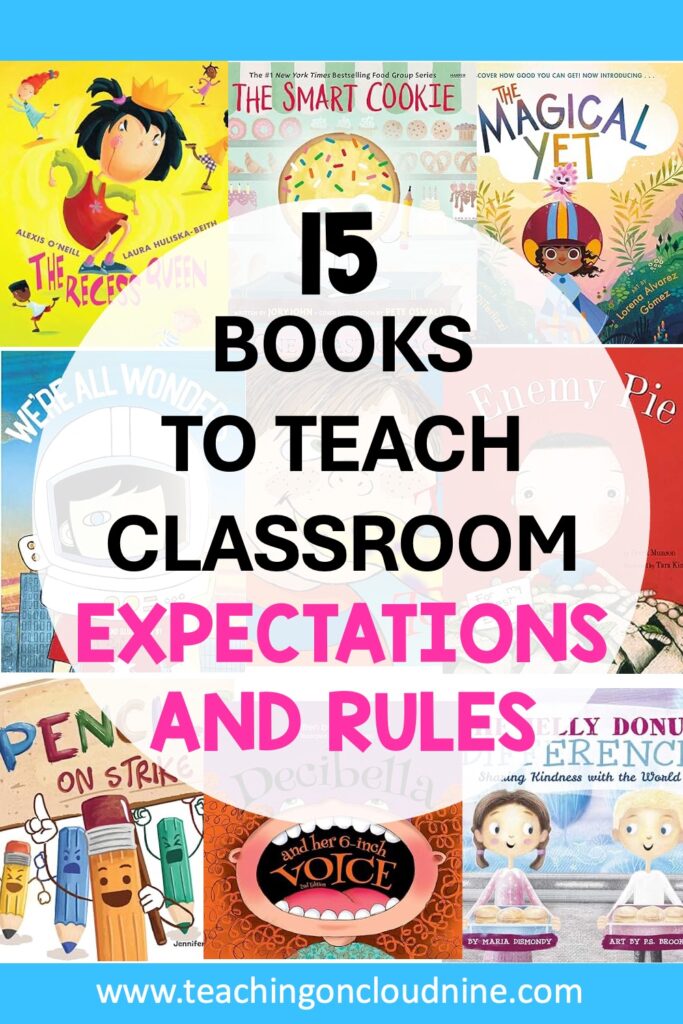
If you’re looking for a great way to teach classroom rules, routines, and social-emotional skills during the beginning of the year, look no further than your classroom bookshelf for books to teach expectations. Whether you’re a new teacher or a veteran looking for creative ways to start fresh, using picture books to set the tone is my favorite approach for building a positive classroom community from Day 1.
I’ve learned over the years that students—especially young learners and younger students—respond far better to a fun story with an adorable cast of animal characters than to a long lecture about rules. These read-alouds help me communicate my classroom expectations with a positive tone, model responsible behavior, and encourage kids to reflect on their own choices—all while building a true sense of community.
In this post, I’m sharing some of my favorite books for teaching everything from kindness and self-control to taking care of supplies and respecting personal space. Many of these stories are backed by social emotional learning strategies and are perfect for elementary students or even older students who benefit from revisiting the basics. I’ve also included links to some TPT activities that reinforce the lessons in fun, hands-on ways. This is the perfect tool to guide teachers like you in setting expectations with purpose, positivity, and impact.
Books That Teach Classroom Expectations & Community Norms
These books are perfect for launching discussions about the kind of classroom environment we want—and what it means to be part of a classroom family.
What If Everybody Did That? by Ellen Javernick
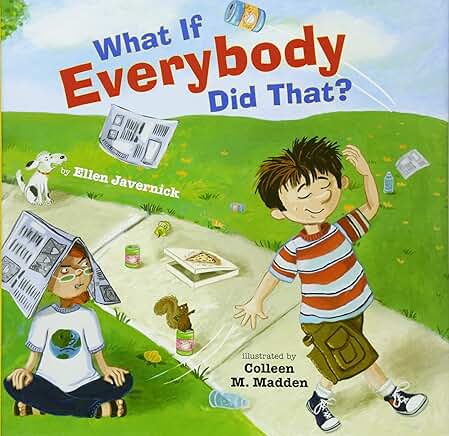
This book is always my go-to for launching discussions about expectations in those critical first weeks of school. The book shows small rule-breaking behaviors (“What if everybody interrupted?”) and escalates them to hilarious extremes—perfect for driving home why clear rules exist. This playful picture book also touches on the idea of community responsibility in a kid-friendly way.
It’s a helpful book with engaging illustrations and a double meaning: even if something seems harmless, it can quickly become a problem if everyone does it.
Extension idea: I like to read this on the first day of school and then create an anchor chart like “What if everybody helped clean up?” and “What if everybody was kind?” It’s a perfect read for establishing class rules early in the school year.
Have You Filled a Bucket Today? by Carol McCloud
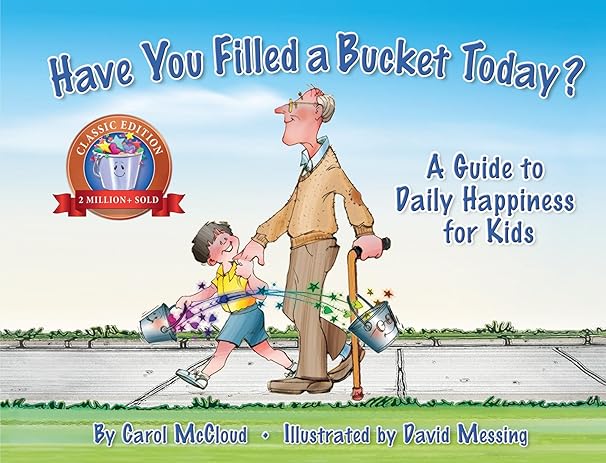
This book is part of learning how to treat people. It introduces an invisible bucket everyone carries and how words and actions fill or dip from it. It’s one of those school books that just sticks with kids—even the youngest readers.
This book always sparks thoughtful discussion questions and helps my students understand the importance of kindness as a rule, not just a “nice to have.”
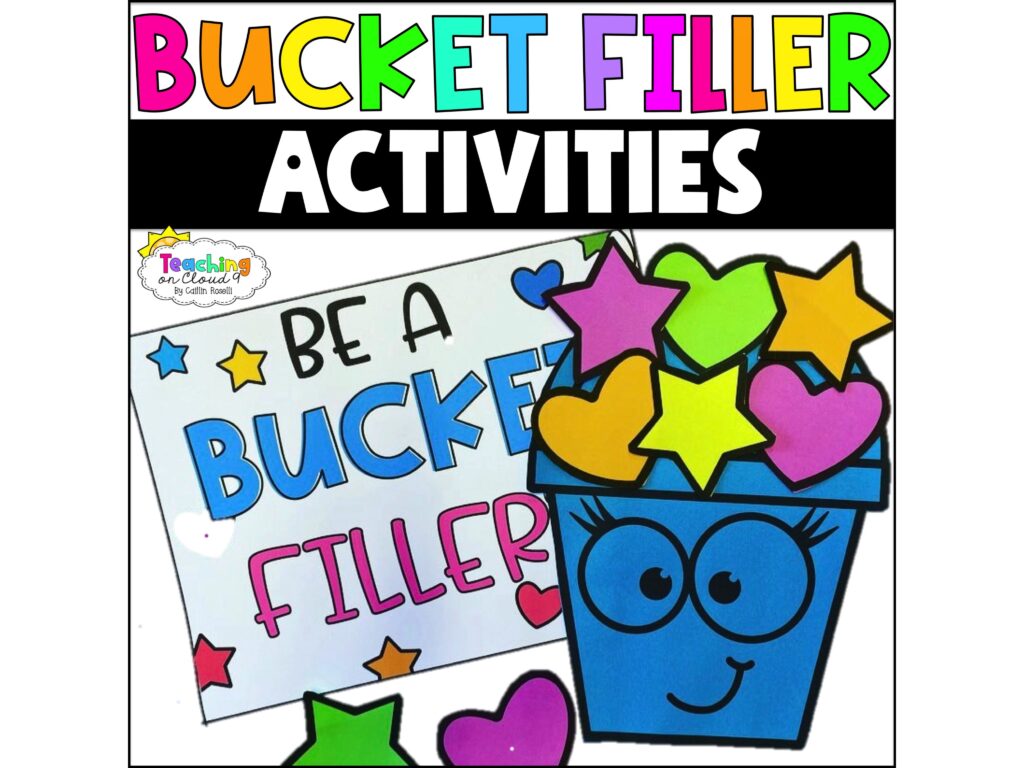
Activity Idea: Have students students brainstorm different ways they could be a bucket filler and also ways they could be a bucket dipper. Make a class anchor chart with your students’ ideas.
Then have students create an adorable bucket filler craft to remind them of all they ways they can fill someone else’s bucket. Students write how they’ll fill someone’s bucket on their hearts and stars to add to their bucket and we turn it into a cheerful bulletin board to remind us of ways to be a bucket filler and not a bucket dipper.
Officer Buckle and Gloria by Peggy Rathmann
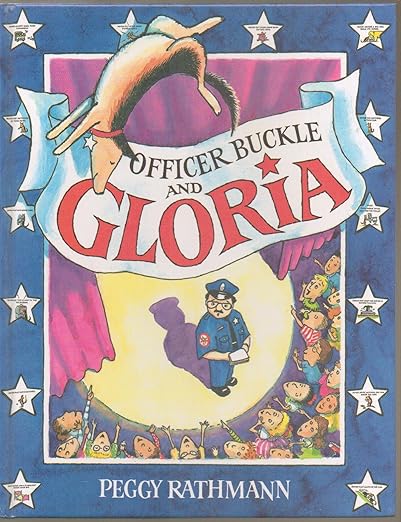
This classic book teaches kids that rules are important—but it’s how we deliver them that makes them stick. Officer Buckle reads boring school safety tips until his dog, Gloria, joins him—and hilariously acts out each rule behind his back. The students are suddenly engaged, laughing, and learning.
I love using this story to launch a discussion about how we present and practice our own class rules. We also talk about what makes rules effective and respectful. It’s a playful way to model the balance between structure and fun in a well-run classroom.
Our Class is a Family by Shannon Olsen
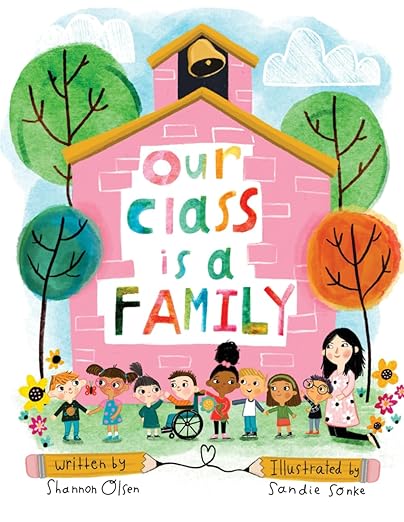
This book is a must-read on the first day of school. It helps students feel like they belong before you’ve even handed out supplies. With its simple text and warm message, it fosters a sense of community and is ideal for for students to feel a sense of belonging.
Activity: After reading, I read my students a class promise poem and then we make promise bracelets. Students brainstorm promises they can make to keep our class a family all year long. They complete a bracelet planning sheet with each bead representing a class promise and then make their bracelet.
My students keep these bracelets on for months and they are a great visual reminder of what it means to be a class family.

Books That Teach Friendship, Kindness & Empathy
These stories help build social skills, spark conversations about inclusion, and create a classroom where everyone feels seen.
Enemy Pie by Derek Munson
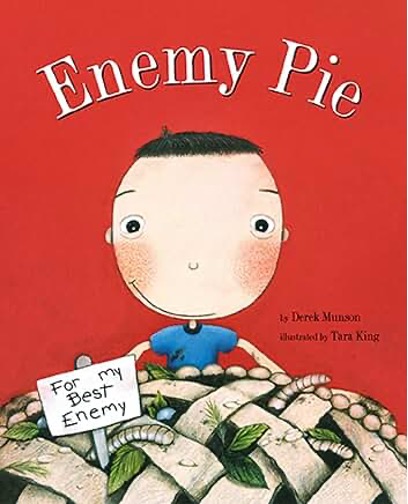
The main character wants to get rid of his “enemy”—until his dad makes him spend a whole day being nice to Jeremy Ross before serving enemy pie. It’s funny, heartwarming, and shows that good manners and time can turn enemies into friends. It’s truly a great book for developing empathy and emotional growth.
After reading, we write our own “Friendship Pie Recipes” with ingredients like respect, kindness, and listening.
The Jelly Donut Difference by Maria Dismondy
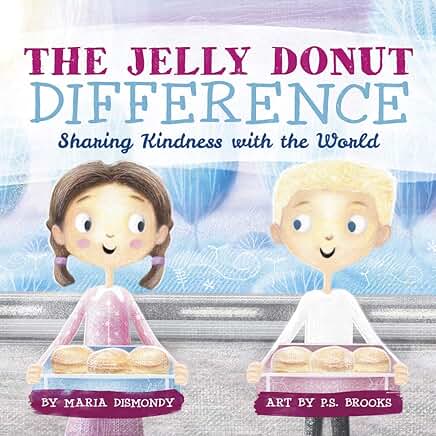
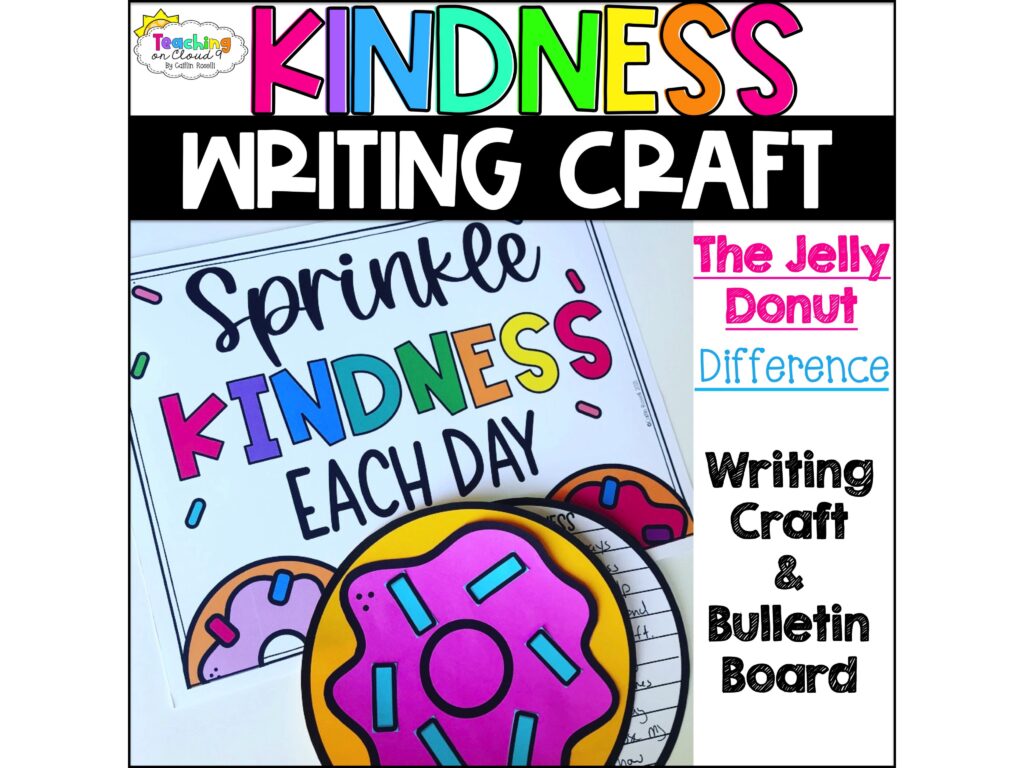
This is one of my absolute favorite books for teaching simple rules of kindness. It shows kids that little gestures (like baking donuts for a neighbor) can make a big impact. This perfect read leads to so many important lessons on inclusion and awareness.
Activity: After reading the story have your students brainstorms ways they can show kindness at home, at school, and in their community. Then they can create a donut kindness craft that is perfect for a Sprinkle Kindness Everywhere bulletin board!
Recess Queen by Alexis O’Neill
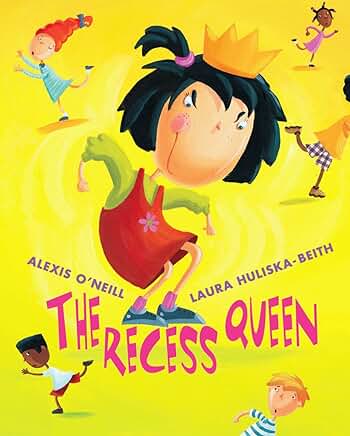
This one’s great for the importance of listening and how to handle playground conflict. Mean Jean rules recess—until a new student shakes things up. The rhyming text, hilarious illustrations, and playful language make this a hit every year.
We use this to create “Recess Rules” together—because we’re the creators of our playground rules. It reinforces both school rules and how we want recess to look and feel.
We’re All Wonders by R.J. Palacio
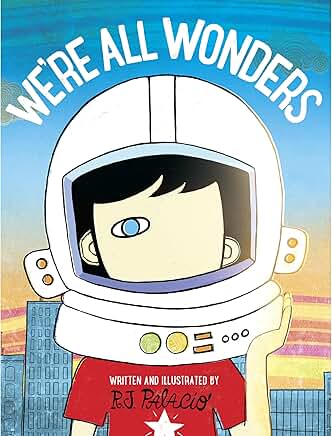
This book helps even young readers unerstand inclusion and compassion. It’s perfect for starting conversations about special needs, kindness, and how we see others. It’s especially helpful for connecting with students who may feel different from peers.
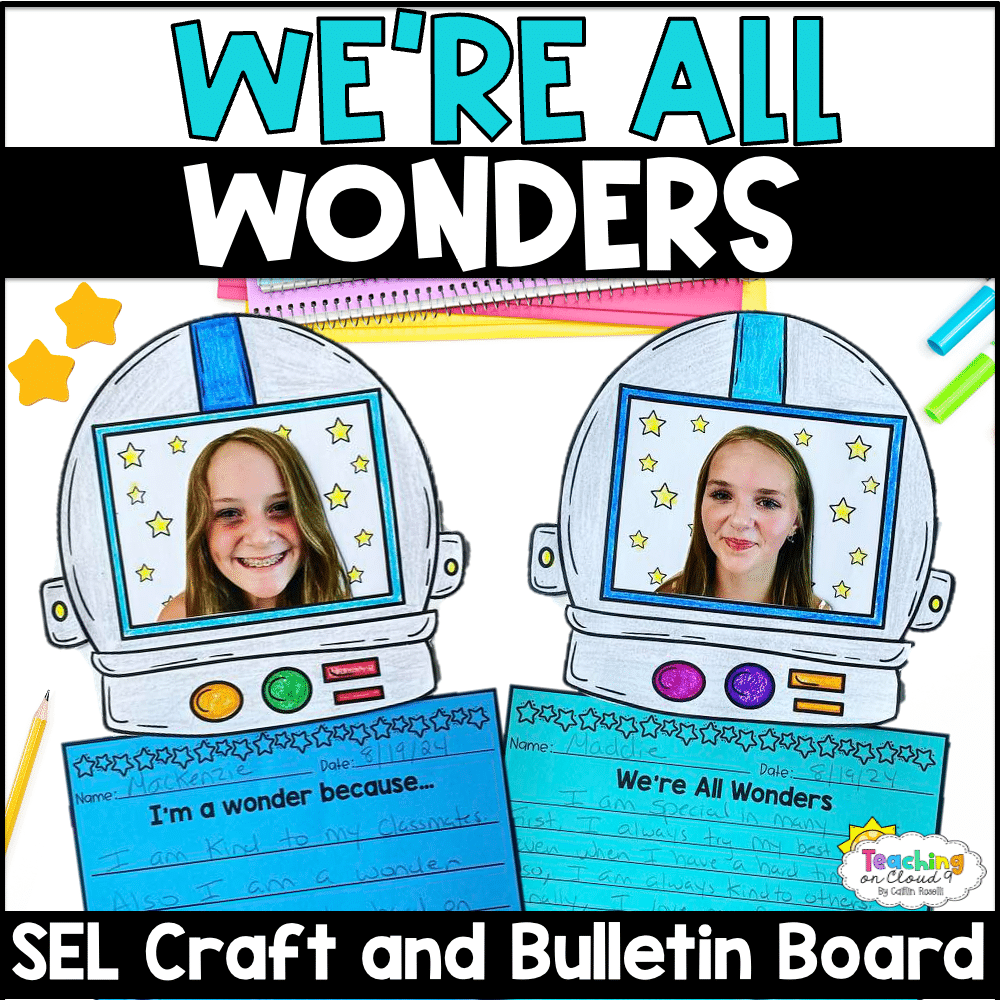
Activity: After listening to the book students can discuss what make them a wonder or what makes them special and unique. I take pictures of each student and we glue them in a colored space helmet and attach their writing. I used this for my back to school hallway bulletin board this year and they came out adorable!!
Books That Teach Growth Mindset, Choices & Self-Control
These books help students see that mistakes are okay—and growth happens when we try, fail, and try again. That mindset is foundational for both learning and social-emotional growth.
The Magical Yet by Angela DiTerlizzi
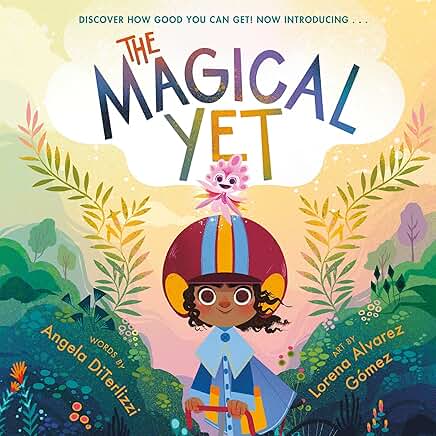
This is one of those funny books with a positive tone that speaks to every student. Whether they’re struggling with tying their shoes or reading chapter books, the “yet” reminds them they’re just not there yet.
After reading, we make “I can’t ___ yet” statements and set small goals. It’s one of the best ways to encourage perseverance and a healthy learning mindset.
The Smart Cookie by Jory John
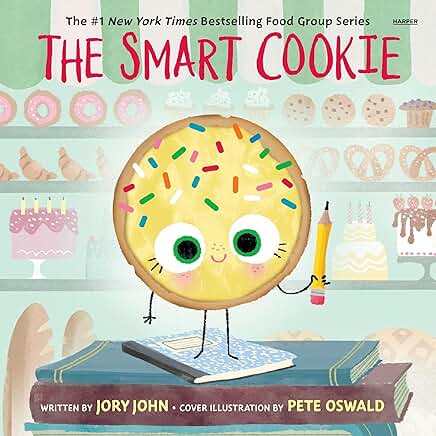
This story builds self-confidence by reminding kids that being “smart” comes in many forms—creativity, kindness, curiosity. It’s especially great for young learners or students who don’t always feel academically successful.
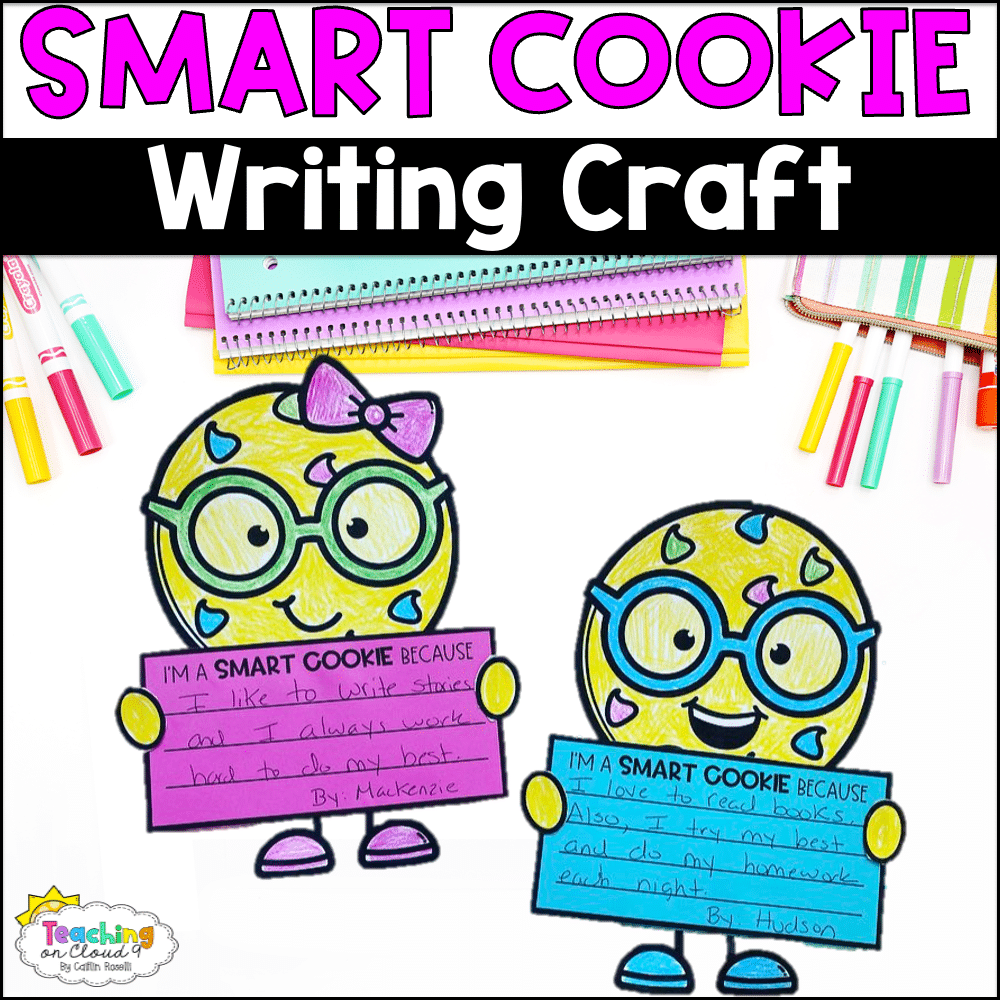
We follow up with “I’m a Smart Cookie because…” writing and display the writing with an adorable cookie craft. It’s a perfect read for boosting self confidence during those early days.
The Bad Seed by Jory John
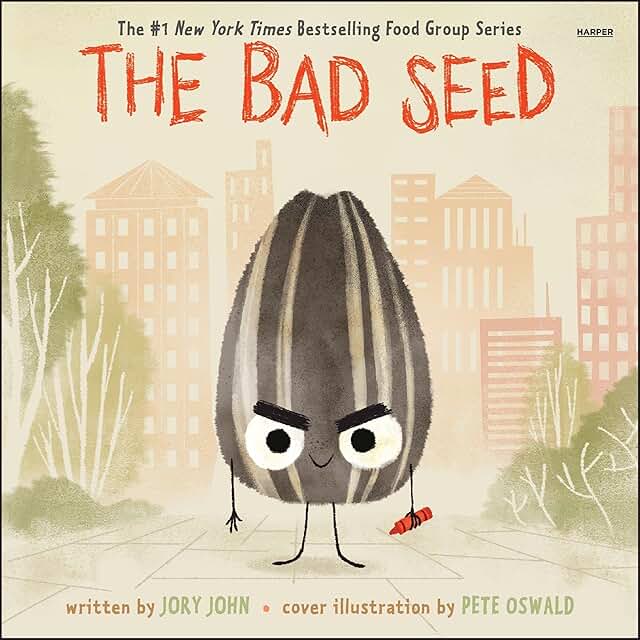
This seed used to be bad—but now he’s trying to be better. This book helps students understand that change takes effort, and mistakes don’t define who we are.
I use this to launch our conversation on responsible behavior and choice-making.
Books That Teach Respect for Supplies & the Classroom
Let’s be honest: by the second week of school, we’re already running out of pencils and glue sticks. These books help you teach kids how to take care of classroom materials—with humor.
The Day the Crayons Quit by Drew Daywalt
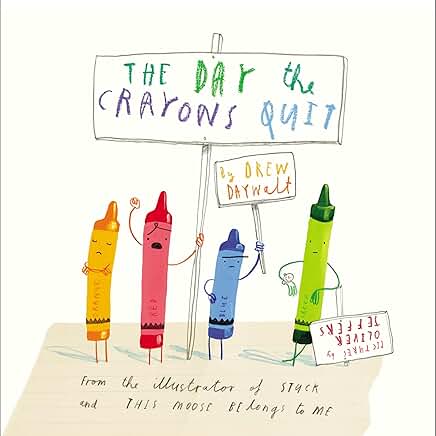
Crayons have feelings, too! In this story, each crayon writes a letter of complaint—some feel overused, underappreciated, or just tired. It’s funny and surprisingly deep.
We follow up with “Letters from Our Supplies” writing—what would your glue stick say? It’s one of the best ways to bring humor into classroom responsibility.
Pencils on Strike by Jennifer Jones
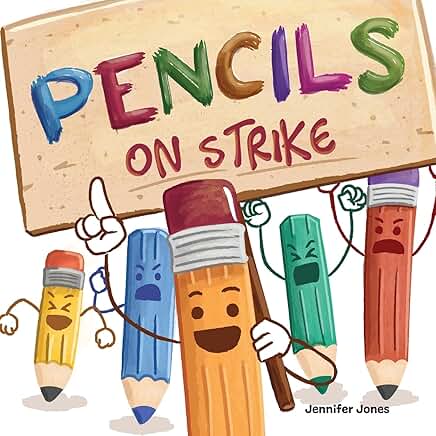
The pencils have had enough—and they’re on strike! This fun story is a great way to launch conversations about respecting supplies. It’s a great book to address class rules and reinforce the importance of being responsible with materials.
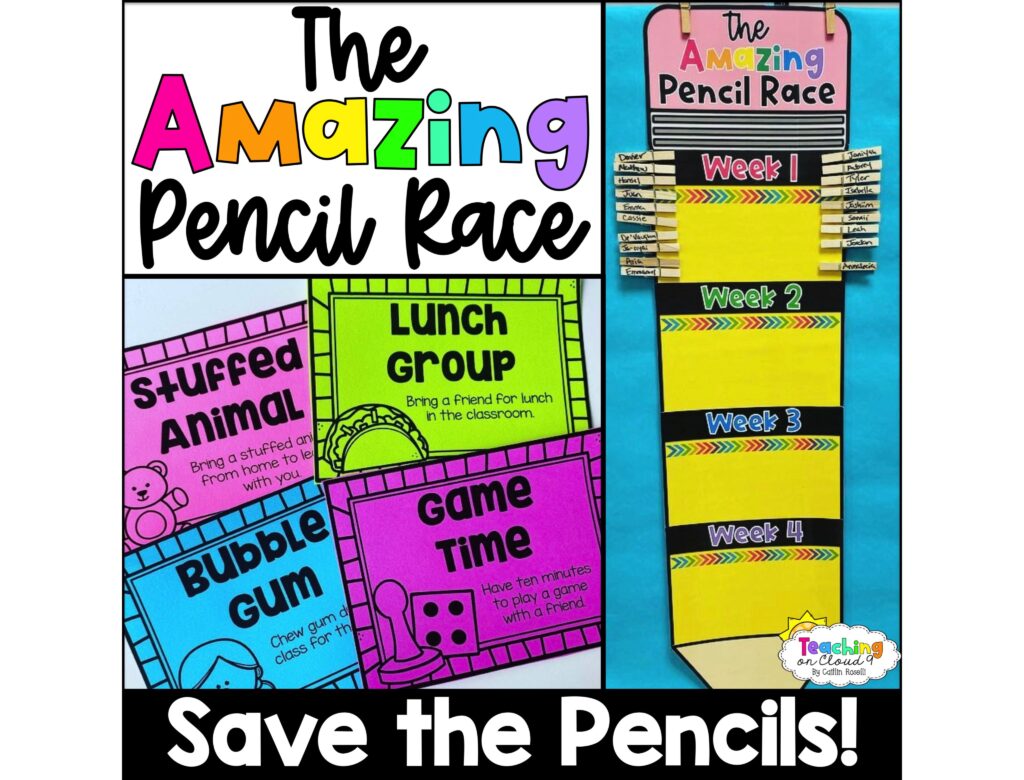
I love to use this book to lead into The Amazing Pencil Race with my class. t’s a fun way to encourage and motivate your students to take care of their pencils! Students who make it to the end of the race will choose a reward coupon to acknowledge their hard work and determination in saving their pencil!
Books That Help Kids Think Before They Speak
We all have blurters. These books gently help students build self-control, practice good manners, and think before they speak. Teaching self-awareness and respectful communication is one of the most important lessons we can give our students.
My Mouth is a Volcano by Julia Cook
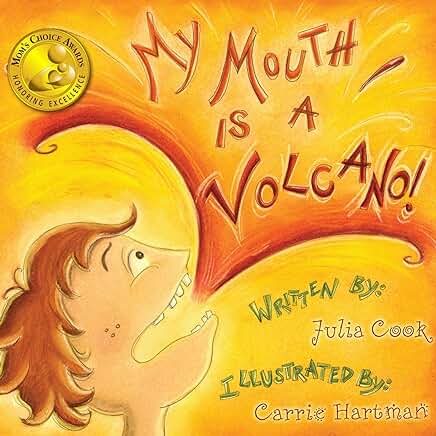
Louis has a lot to say—and no idea how to wait his turn. This book offers helpful strategies for interrupting and blurting in a way kids understand. Perfect for students who always wants to be heard.
Decibella and Her 6-Inch Voice by Julia Cook
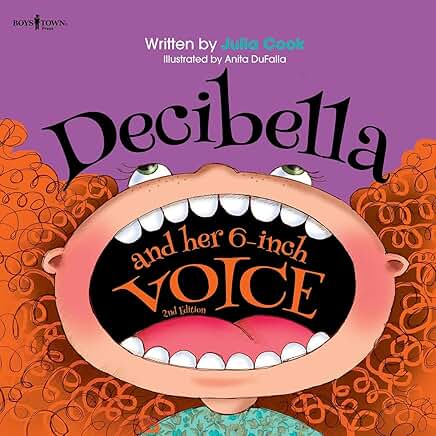
Some kids just don’t have a volume dial. This book helps them learn what voice to use in different settings: whisper, classroom voice, outdoor voice.
A Bad Case of Tattle Tongue by Julia Cook
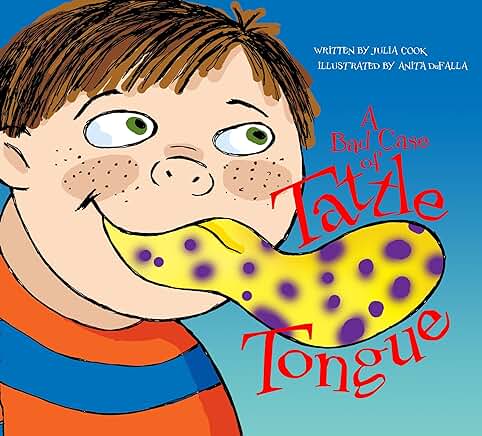
This story tackles the difference between tattling and telling in a way kids really understand. With a mix of humor and real classroom scenarios, it helps students know when it’s important to speak up—and when they’re just tattling to get someone in trouble. It’s especially helpful during those early weeks when everyone’s still figuring out boundaries.
After reading, we sort examples into “Tattling” or “Telling” and create our own Tattle-Free Zone poster. It’s a great way to open the door to conversations about trust, responsibility, and classroom safety.
Free Friendship Craft and Slides
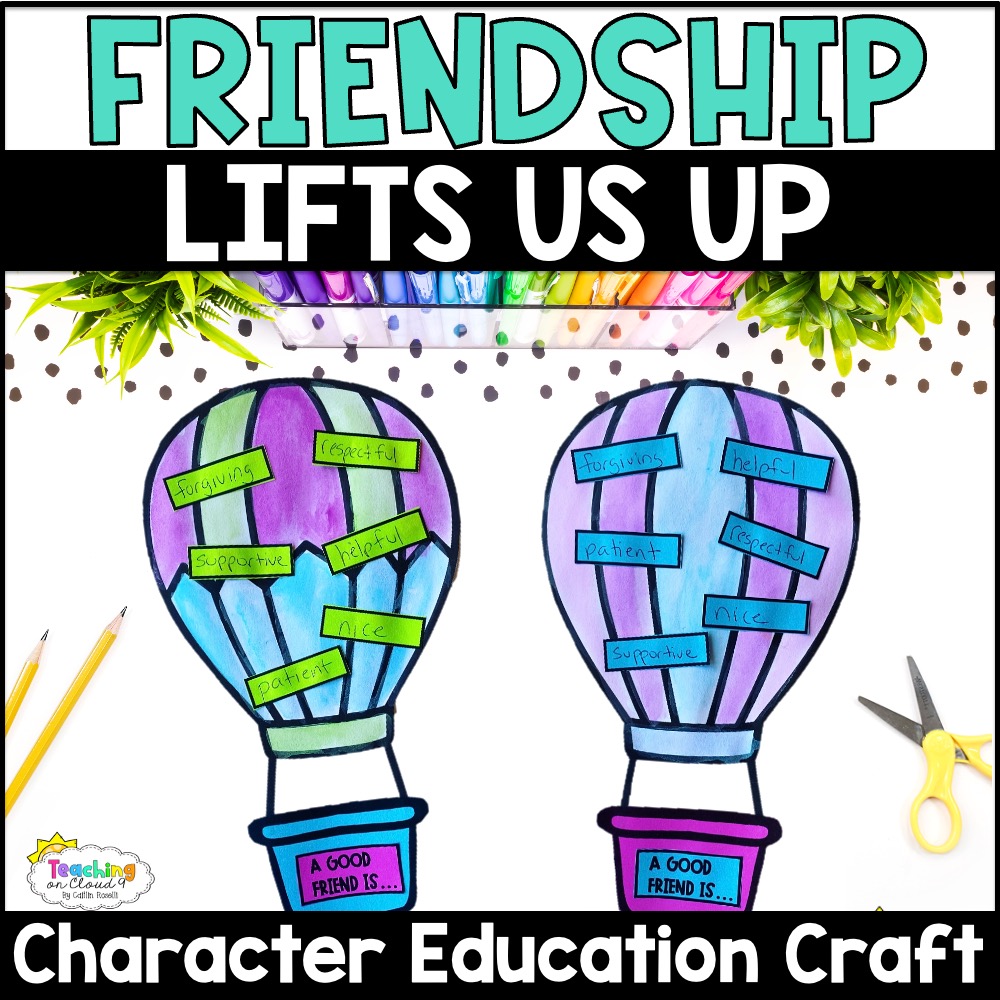
Want to build positive relationships and SEL skills in your classroom in a fun, hands-on way from day one? Grab my FREE SEL resource—Friendship Lifts Us Up, a Friendship Craft and Morning Meeting Slides set.
It’s the perfect companion to books like Enemy Pie and a great way to promote friendship and classroom community all year long.—a perfect way to extend your beginning of the year lessons beyond your read-aloud books. Click the picture to download it for free!
Use Pictures Books to Start Teaching Rules and Expectations from Day 1
Setting classroom expectations doesn’t have to be boring—or overwhelming. With these playful picture books, you can introduce rules, routines, and social-emotional skills in a way that sticks. Whether you’re focusing on safety rules, personal space, or how to fill someone’s bucket today, these stories help kids understand the why behind your expectations.
Plus, the matching TPT activities add just the right touch of creativity and accountability—so your students aren’t just hearing the message… they’re living it.
So grab a few school books, pick your favorite mentor text, and get ready to build a class that runs with positive behavior, whole-year kindness, and a whole lot of heart. These are the perfect reads to support a successful school year.
Looking for more books to start your school year off strong? Check out these blog posts:
TOP CHILDREN’S PICTURE BOOKS FOR SOCIAL EMOTIONAL LEARNING
OUR CLASS IS A FAMILY BOOK ACTIVITIES AND FREE ACTIVITY